
Skip to content
How to Choose a Licensed Well & Sump Pump Contractor in Snohomish County

Hiring someone to repair or replace a well pump is different from hiring a contractor for a small home improvement […]
Read more →
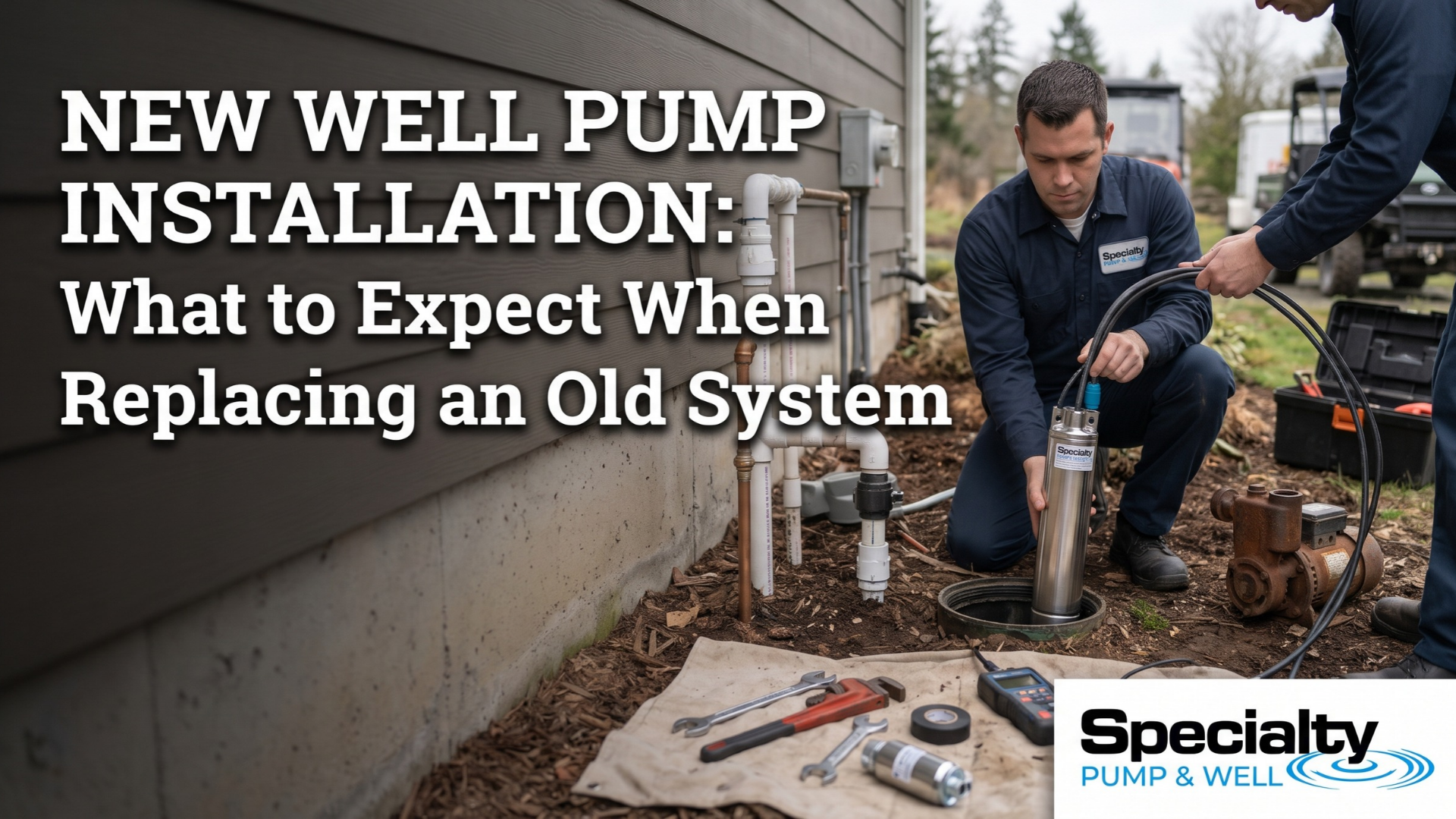

New Well Pump Installation: What to Expect When Replacing an Old System

Replacing a well pump is one of those home projects most people don’t think about until the water stops flowing. […]
Read more →
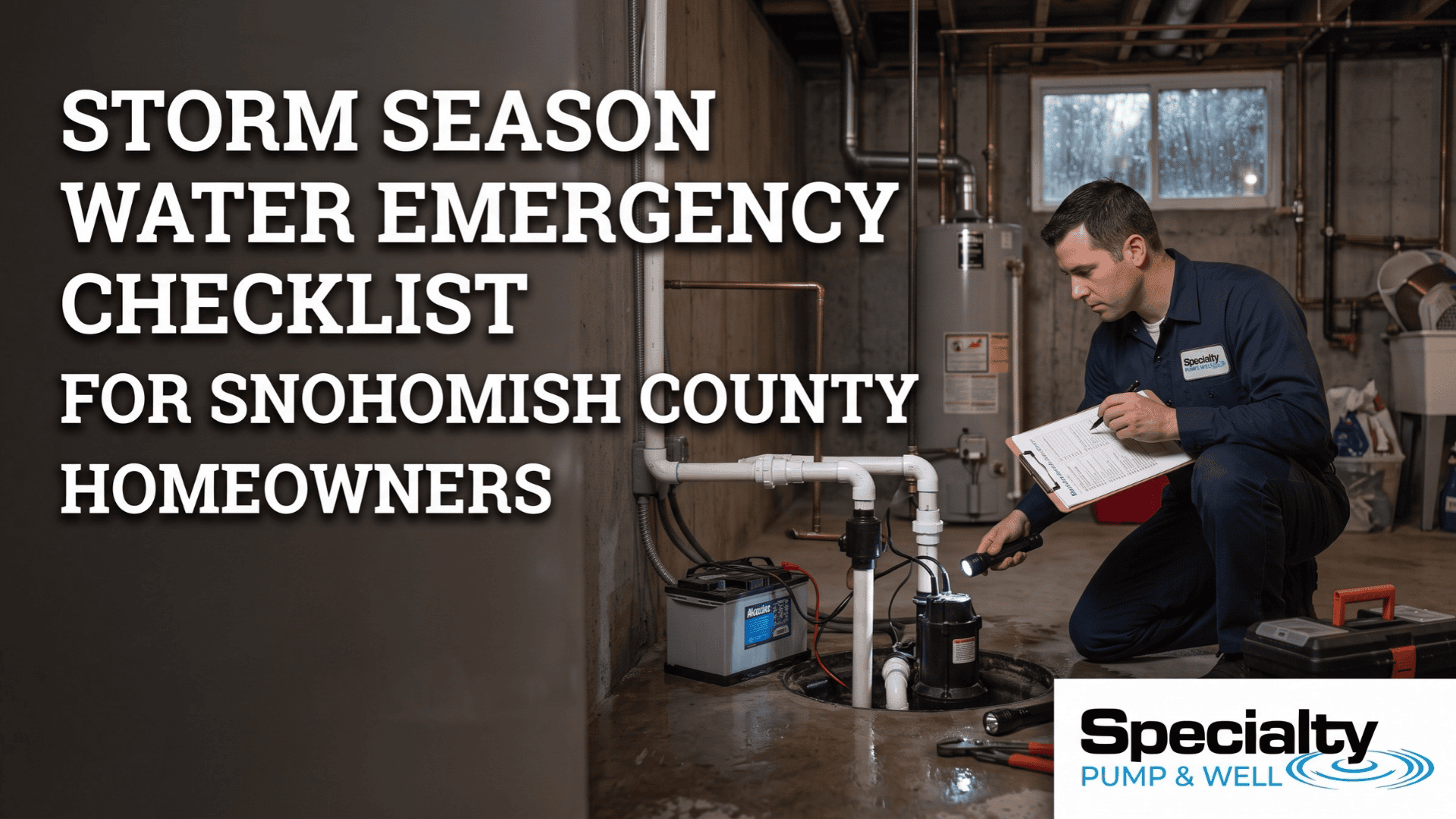

Storm Season Water Emergency Checklist for Snohomish County Homeowners

Storm Season Water Emergency Checklist for Snohomish County Homeowners When a strong winter storm hits Snohomish County, homeowners can lose […]
Read more →
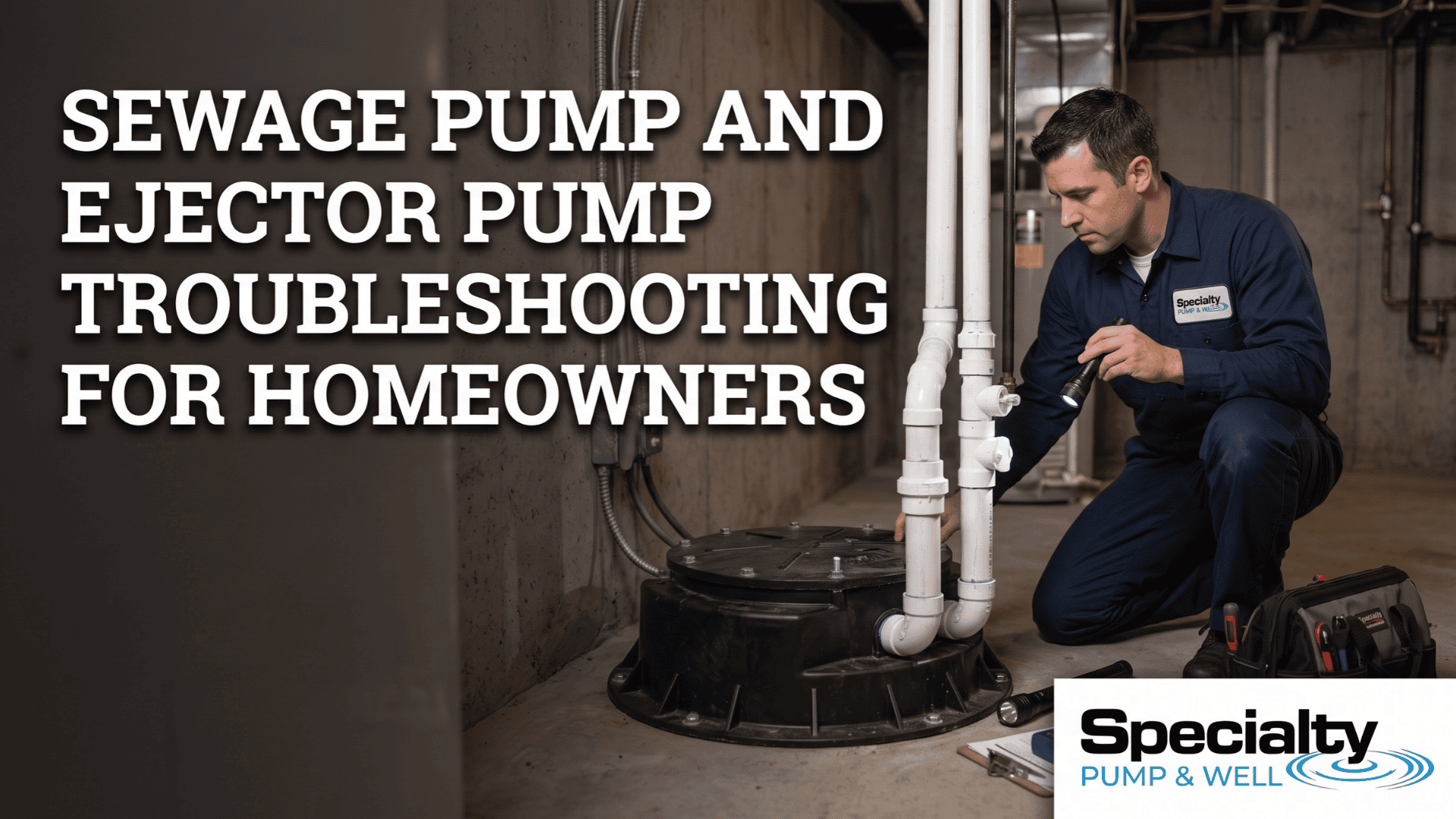

Sewage Pump and Ejector Pump Troubleshooting for Homeowners If your basement bathroom suddenly stops draining, you hear an alarm near the sewage basin, or wastewater starts backing up, the sewage pump may be the reason. Sewage ejector pumps are designed to move wastewater from plumbing fixtures that sit below or away from the main sewer line. When the pump fails, however, water and sewage have nowhere to go. For Snohomish homeowners, knowing a few basic warning signs can help you recognize a problem before it turns into a messy backup. Some issues, such as a tripped breaker or stuck float, may have a simple cause. Others involve the pump motor, electrical system, check valve, or a clogged discharge line and require professional service. Sewage Pump Troubleshooting Sewage pump troubleshooting starts with identifying what the system is doing differently. A pump that will not start, runs continuously, makes unusual noises, or triggers its alarm may have a failed float switch, electrical problem, clogged impeller, blocked discharge pipe, or worn motor. First, avoid using fixtures connected to the sewage basin if the pump is not removing wastewater. Check whether the pump has power and whether the alarm remains active, but do not open or reach into a sewage basin yourself. Sewage can contain harmful bacteria and other contaminants. If wastewater has already backed up into a basement, keep children and pets away from the area and arrange professional cleanup and pump service. Regular inspections, keeping non-flushable items out of the plumbing, and addressing unusual pump behavior early can reduce the chance of a major backup. For homeowners in Snohomish, professional sewage pump service can also determine whether a repair is practical or whether the pump needs replacement. How Sewage and Ejector Pumps Work A sewage ejector pump is used when wastewater cannot move to the sewer line by gravity alone. This is common when a bathroom, laundry area, or other plumbing fixture is located below the elevation of the main sewer connection. Wastewater flows into a sealed basin. As the liquid level rises, a float or control system activates the pump. The pump then pushes the wastewater through a discharge pipe and toward the home's sewer connection. This setup is different from a sump pump. A sump pump handles groundwater or drainage water, while a sewage pump is designed to handle wastewater containing solids. Specialty Pump & Well also provides sewage pump services for homeowners dealing with pump repairs, replacements, and system problems in Snohomish. Sewage pump services from Specialty Pump & Well Ejector Pumps vs. Grinder Pumps A standard sewage ejector pump is designed to move wastewater and solids through a discharge line. It is commonly used for residential basement bathrooms and other plumbing fixtures located below the main sewer level. A grinder pump works differently. It contains a cutting mechanism that breaks down sewage solids before pumping them through a smaller or pressurized discharge line. Grinder systems are often used where wastewater has to travel farther or through a pressure sewer system. The two systems can look similar from the homeowner's perspective, but they are not interchangeable. Pump capacity, pipe size, discharge distance, and the existing plumbing configuration all matter when selecting a replacement. Where They Are Installed You'll typically find a sewage ejector pump in a sealed basin installed below floor level. Basement bathrooms are a common example. If a toilet, shower, or laundry area sits lower than the home's main sewer line, gravity may not be enough to move wastewater out of the building. The basin may be located beneath the basement floor or in another low section of the property. Because it contains sewage, it should remain properly sealed and vented. If you notice sewage odors, unusual sounds, or repeated alarms around the basin, don't simply ignore them. A small pump problem can become a much larger cleanup issue if the basin overflows. Common Sewage Pump Failures When a sewage pump stops working, the problem isn't always the motor itself. The float, electrical supply, discharge piping, check valve, or pump impeller can also be responsible. Understanding the common causes can help you explain the symptoms to a technician and avoid making the problem worse. Clogs from Non-Flushable Items One of the easiest ways to create sewage pump problems is putting the wrong material into the plumbing. Wipes are a common example. Products labeled "flushable" can still cause problems in wastewater systems because they may not break down as readily as toilet paper. The EPA recommends flushing only toilet paper and human waste and specifically warns against flushing wipes and other non-flushable materials. Other items that should stay out of the toilet include: Paper towels Feminine hygiene products Diapers Dental floss Cotton products Grease and cooking oil Cat litter Household chemicals These materials can become trapped in the pump or discharge piping. A clog may cause the motor to run without moving enough wastewater, or it may prevent the pump from operating normally. Float and Motor Failures The float switch tells the pump when the wastewater level has risen enough to start pumping. If the float becomes stuck, tangled, or fails electrically, the pump may not start when needed. A failed float can also cause the opposite problem. The pump may continue running because the system never receives the signal to shut off. Motor problems are another common cause of a sewage pump not working. A worn motor, damaged impeller, electrical fault, or internal mechanical problem can prevent the pump from moving wastewater. A high-level alarm can be triggered when the wastewater rises because the pump, float, control system, or another component isn't operating correctly. Manufacturer documentation for sewage and grinder systems notes that a high-level alarm can activate when a pump, float switch, or control component malfunctions. What to Do When the Alarm Goes Off A sewage pump alarm should not be treated like a nuisance alarm that can simply be silenced and forgotten. The alarm generally means the wastewater level has reached a higher-than-normal point inside the basin. If the pump doesn't remove the water, continued use of toilets, showers, sinks, or washing machines can push the system closer to an overflow. Immediate Safety Steps Start by reducing water use throughout the house. Don't flush toilets just to see whether the pump starts. Avoid running showers, washing machines, dishwashers, and other fixtures connected to the system. If you can safely check the electrical panel without opening the sewage basin, look for an obvious tripped breaker. You can also check whether the alarm has a reset or silence function, depending on the system. Do not reach into the basin or attempt to handle the pump, float, or electrical components while standing near wastewater. If sewage has already entered the basement, keep children and pets away. Washington State Department of Health advises homeowners to take sewage spills seriously because untreated wastewater can contain harmful bacteria and viruses. When to Stop Using Water If the sewage pump is not running or the alarm stays on, stop using water as much as possible. This is particularly important when the pump basin is serving a basement bathroom. Every toilet flush or shower adds more wastewater to a system that may already be unable to discharge it. For example, suppose the alarm sounds after someone takes a shower. Continuing to use the bathroom, run a load of laundry, and flush several toilets could quickly raise the wastewater level further. If the pump does not restart after a basic power check, professional sewage pump troubleshooting is the safer next step. If sewage has already backed up, avoid direct contact and arrange appropriate cleanup. Washington State Department of Health recommends keeping children and pets away from contaminated areas and using protective equipment during sewage cleanup. Maintenance That Prevents Backups Sewage pumps are easy to forget because most of the system is hidden. That doesn't mean they can be ignored. A little preventive attention can help identify problems before the basin reaches an emergency level. Annual Basin Cleaning The exact maintenance schedule depends on the pump, basin, amount of use, and manufacturer's recommendations. For many residential systems, having the basin and pump inspected periodically is a sensible way to catch buildup, float problems, corrosion, and other issues. Annual service does not necessarily mean every sewage basin needs to be completely cleaned every year. A technician can determine whether cleaning is needed based on the condition of the basin and pump. During a professional inspection, important components may include: Pump operation Float switches Alarm operation Electrical connections Check valve Discharge piping Basin condition Signs of excessive buildup If the pump is cycling unusually often or making new noises, don't wait for the next scheduled inspection. Items to Never Flush The simplest sewage pump maintenance strategy starts with what you don't put into the plumbing. The EPA's guidance is straightforward: toilets should receive human waste and toilet paper, not household trash. Keep wipes, paper towels, hygiene products, diapers, floss, grease, and other unsuitable materials out of the toilet. Even one item may not immediately cause a failure. The problem is that these materials can collect over time and eventually contribute to a blockage or pump problem. For a home with a basement bathroom, this habit matters even more because the sewage pump is responsible for moving that wastewater out of the lower level. When Sewage Pump Repair Makes Sense Not every sewage pump failure means you need a completely new system. A technician may find that the pump itself is still usable and that the problem is caused by a failed float, electrical component, clogged pump, check valve, or another replaceable part. Repair can make sense when the pump is otherwise in good condition and the underlying problem is isolated. Replacement becomes more likely when the motor has suffered major damage, the pump has repeated failures, the unit is badly worn, or the existing pump is no longer appropriate for the home's wastewater requirements. Sewage Pump Replacement Cost Factors There isn't one fixed price for sewage pump replacement. The final cost depends on the pump type, horsepower, basin configuration, discharge requirements, labor, and whether additional plumbing or electrical work is needed. As a current national reference, Angi's 2026 data puts professional ejector pump replacement at about $2,300 on average, with reported project costs ranging from roughly $630 to $4,300. These are national estimates rather than a quote for a Snohomish property. Replacement factor Why it matters Pump type Standard ejector and grinder pumps have different designs and costs Pump capacity The pump must handle the required flow and lift Basin condition Damaged or difficult-to-access basins can increase labor Discharge distance Longer or more demanding discharge runs may require different equipment Electrical work Faulty wiring, controls, or connections can add service requirements Installation access Difficult basement or crawl-space access can affect labor The goal isn't simply to install the most powerful pump available. The replacement needs to match the existing system and the home's actual wastewater requirements. Sewage Pump Problems You Shouldn't Ignore A sewage pump usually gives homeowners some warning before a complete failure, although not always. Pay attention to changes such as: The pump runs longer than usual The pump starts more frequently The alarm activates repeatedly Wastewater drains slowly You hear grinding or humming Sewage odors develop near the basin Water begins backing up into a basement bathroom The pump does not start when wastewater enters the basin These symptoms don't necessarily identify one specific failed component. They do, however, indicate that the system deserves attention. Washington State Department of Health also lists sewage or water backing up into toilets, drains, or sinks, slow drainage, and gurgling plumbing as signs associated with wastewater system problems. Frequently Asked Questions 1. Why is my sewage ejector pump not working? A sewage ejector pump may stop working because of a tripped breaker, failed float switch, clogged pump, damaged impeller, electrical problem, blocked discharge line, or failed motor. If the pump is not operating and the basin level is rising, stop using connected plumbing and arrange professional troubleshooting. 2. What does a sewage pump alarm mean? A sewage pump alarm generally indicates that the wastewater level in the basin has reached a high level. The pump may not be keeping up, or a float, control, electrical, or pump problem may be preventing normal operation. Don't continue using large amounts of water while the alarm remains active. 3. How long do sewage pumps last? There isn't one guaranteed lifespan for every sewage pump. Service life depends on pump quality, usage, installation, wastewater conditions, maintenance, and whether unsuitable materials enter the system. A pump that is frequently clogging or showing repeated mechanical problems may need attention well before a specific age. 4. What is the difference between a sewage pump and a grinder pump? A sewage ejector pump moves wastewater containing solids through the discharge system. A grinder pump uses a cutting mechanism to break down solids before pumping them through a pressure sewer system. Grinder pumps are generally used for different system requirements and should be selected based on the property's plumbing and discharge conditions. 5. How often should a sewage ejector pump be serviced? The appropriate schedule depends on the pump and how heavily the system is used. An annual inspection can be a practical preventive measure for many homeowners, especially if the system serves a frequently used basement bathroom. Always follow the manufacturer's maintenance recommendations and have the system checked sooner if you notice alarms, unusual noises, slow drainage, or repeated cycling. 6. Can I use my toilet if the sewage pump is broken? It's best not to use a toilet connected to a failed sewage pump. Every flush adds more wastewater to the basin, increasing the risk of an overflow. Stop using connected fixtures until the pump problem has been diagnosed and the system is operating normally again. Keep a Small Pump Problem From Becoming a Sewage Backup A sewage pump is one of those home systems you rarely think about until something goes wrong. Once the alarm starts sounding or wastewater stops moving, though, the problem can become urgent very quickly. For Snohomish homeowners, the safest approach is simple: limit water use when the pump fails, don't open or reach into the sewage basin, and don't ignore repeated alarms or unusual pump behavior. Specialty Pump & Well provides sewage pump repair, replacement, and service in Snohomish and surrounding communities. The company has served the Pacific Northwest since 1979 and lists sewage pumps among its residential and commercial pump services. If your sewage pump is not working, the alarm keeps coming back, or you're unsure whether the system needs repair or replacement, contact Specialty Pump & Well at (425) 487-0123 to arrange professional service. Contact Specialty Pump & Well

Sewage Pump and Ejector Pump Troubleshooting for Homeowners If your basement bathroom suddenly stops draining, you hear an alarm near […]
Read more →


Pressure Tank Problems: Why Your Water Pressure Keeps Dropping

Pressure Tank Problems: Why Your Water Pressure Keeps Dropping If the water pressure in your home keeps dropping, the well […]
Read more →


Annual Well Water Testing: What Snohomish Homeowners Should Check

If your home depends on a private well, annual water testing is one of the simplest ways to keep track […]
Read more →
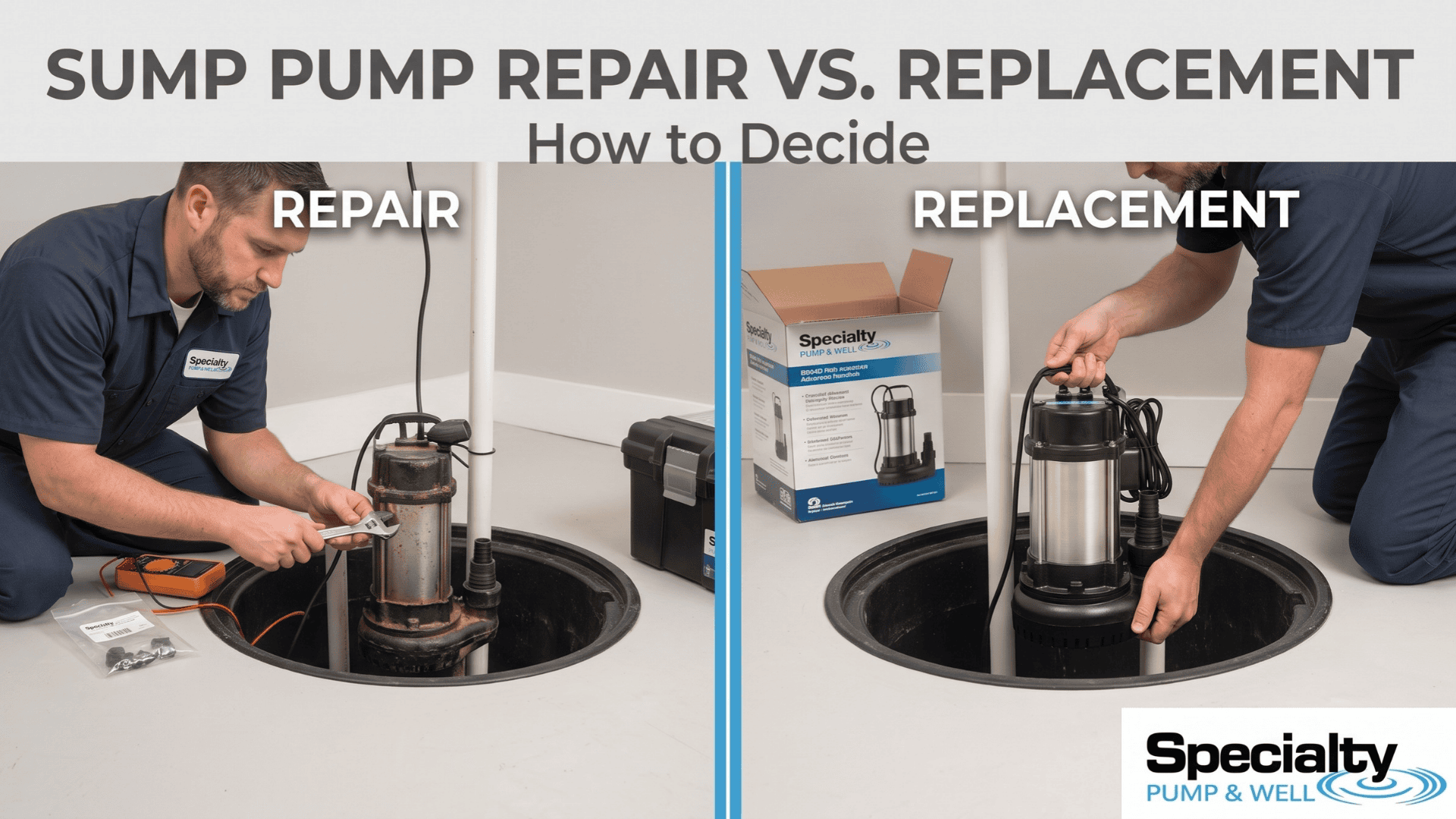

Sump Pump Repair vs. Replacement: How to Decide

Sump Pump Repair vs. Replacement_ How to Decide

Deciding between sump pump repair vs replacement usually comes down to the pump’s age, the type of failure, repair history, […]
Read more →
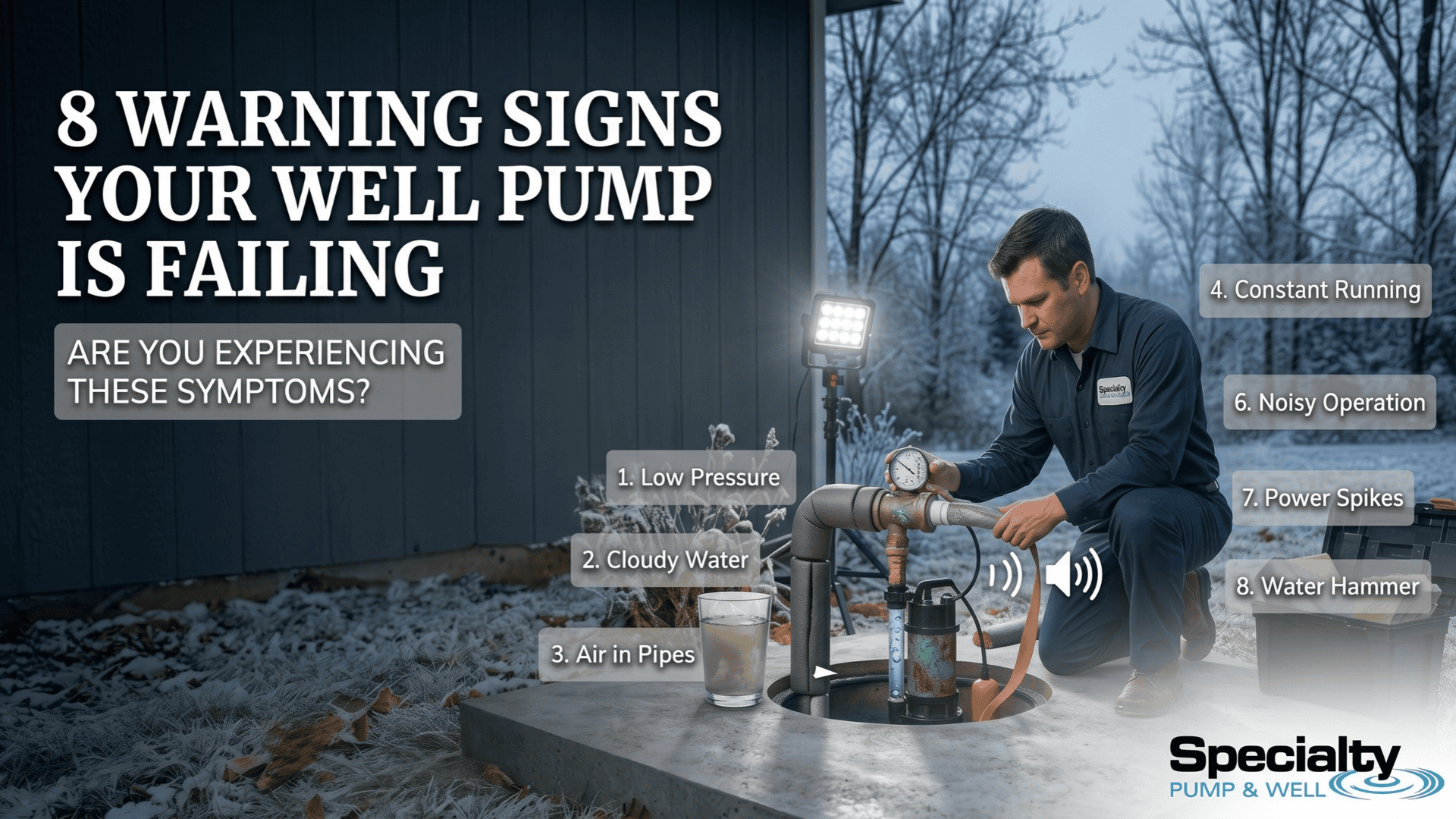

8 Warning Signs Your Well Pump Is Failing

8 Warning Signs Your Well Pump Is Failing

A failing well pump can show several warning signs before it stops supplying water completely. Common signs your well pump […]
Read more →


How to Protect Your Well Pump from Freezing This Winter

Protecting a well pump from freezing starts with protecting the parts of the water system that are exposed to cold […]
Read more →
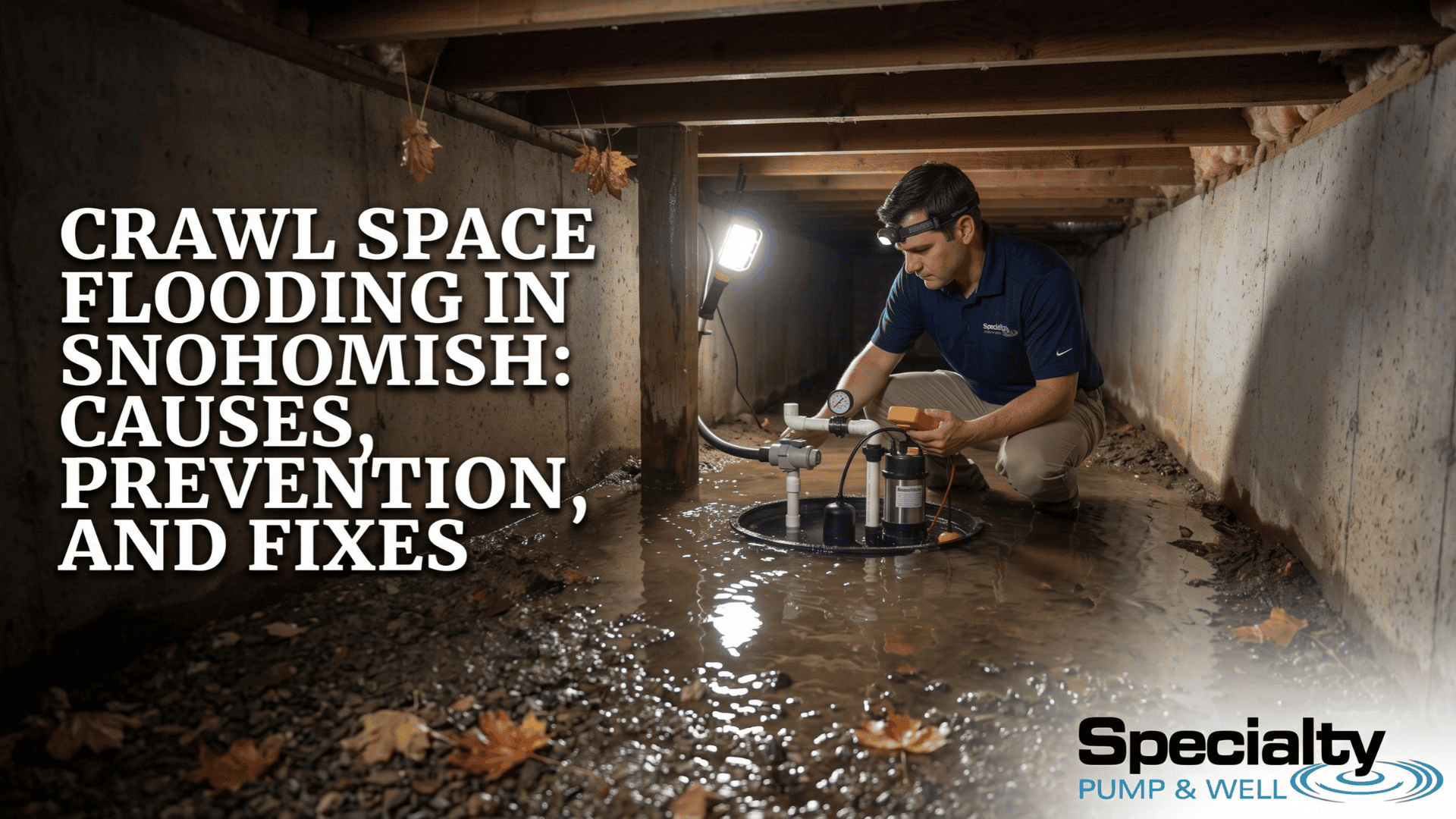

Crawl Space Flooding in Snohomish: Causes, Prevention, and Fixes

A crawl space does not need to be completely underwater to create a problem. Even a small amount of recurring […]
Read more →


Specialty Pump & Plumbing Inc & All Heating Services BBB Business Review